SNAP Work Requirements at 55 to 64: What Changed in 2026
The SNAP time limit now reaches adults up to 64. Here is who is covered, what counts as work and which exceptions to check first.
 01 / Benefits · Explainer
In this story 7 sections
Adults aged 55 to 64 who receive SNAP now fall under the program's time limit for the first time. Unless an exception applies, you must work or join a qualifying program for 20 hours a week, or you can get benefits for only three months in any 36-month period. A USDA proposed rule would write this into regulation.
SNAP work requirements changed sharply after the One Big Beautiful Bill Act of 2025 (OBBB) became law. If you are in your late fifties or early sixties and get food benefits, or might need them, this guide is for you. It explains who is covered, what counts as work, which exceptions exist and what to do before your state agency sends a notice. Simply Forties covers benefits rules like this one because they tend to land hardest on people who assumed they were exempt.
What Changed for SNAP Work Requirements at Ages 55 to 64?
The time limit now applies to SNAP participants aged 18 through 64 who do not meet an exception. Before the OBBB, the upper age limit was 54. That change pulled people in their late fifties and early sixties into a rule that had never covered them.
The USDA Food and Nutrition Administration's proposed rule spells out the core test. Covered adults must work, or take part in a qualifying work program, for at least 20 hours a week. That is averaged to 80 hours a month. Adults who do not meet the test can receive SNAP for only three months in a 36-month period.
Two different sets of rules exist, and people mix them up. The general work requirements apply to participants aged 16 through 59. They include registering for work, accepting suitable job offers and not quitting a job without good cause. The time limit is the stricter rule, and it now runs through age 64.
The scale is large. The Center on Budget and Policy Priorities estimates that more than one million adults aged 55 to 64 could lose food assistance because of the expanded requirements, according to the Council on Foreign Relations' Think Global Health. Whatever the final number, the practical point is simple. Check your own status now, not when the benefit stops.
Who Is Covered, and Who Is Exempt?
You are probably covered if you are aged 18 through 64, able to work, and have no dependent child under 14. Exceptions still exist, and they matter. Knowing which one fits you is the most useful step you can take.

According to USDA's proposed rule, the main exceptions are being physically or mentally unfit for employment, being responsible for a child under 14, and being pregnant. Certain American Indian and Alaska Native categories are also excepted. Some states apply further screening, so the details of your own case can differ.
The table below shows how the main groups stand. Use it as a starting point, then confirm with your caseworker.
| Situation | Time limit applies? | What to do |
|---|---|---|
| Aged 55 to 64, working 20+ hours a week | Yes, but you meet it | Keep pay stubs and report hours |
| Aged 55 to 64, no job, no exception | Yes | Find work or a qualifying program |
| Unfit for work because of health | Exception may apply | Get a clinician's note on file |
| Caring for a child under 14 | Exception may apply | Document the household |
| Veteran or experiencing homelessness | Yes, old exemption ended | Check for other exceptions |
| Aged 65 or older | No | No time limit applies |
The change for veterans and people without stable housing deserves attention. Brookings' primer on SNAP work requirements notes that the OBBB ended the 2023 exemptions for veterans, people experiencing homelessness and young adults who aged out of foster care. Anyone who relied on one of those categories should look for a different exception or a way to meet the hours.
What Counts Toward the 20 Hours a Week?
Paid work counts, including part-time and self-employment. So does time in a qualifying work program, such as SNAP Employment and Training, or workfare if your state assigns it. Hours are averaged across the month, so one slow week does not automatically break the rule.

Here is what to gather to prove your hours:
- Recent pay stubs or an employer letter showing weekly hours
- A log of self-employment hours, with dates and the work done
- Attendance records from a work or training program
- Any notice from your state agency, kept in one folder
Self-employed adults and gig workers face the toughest paperwork. Income can swing, and hours are hard to prove after the fact. Keep a simple weekly log from the first week you are covered. A page with dates, tasks and hours is far easier to defend than a memory.
The hours rule also interacts with other income. If you are claiming Social Security early and still working, your earnings may count toward the 20 hours while also affecting your check. Our guide to the Social Security earnings test for 2027 explains how that trade-off works.
Can You Still Qualify for an Exception Because of Health?
Yes. Adults who are physically or mentally unfit for employment can be excepted from the time limit. This is the exception most people in their late fifties use, so it is worth getting right. Your state agency decides what proof it accepts, and it varies.

A short note from a doctor, nurse practitioner or other clinician is the usual starting point. It should state that you cannot work, or cannot work 20 hours a week, and roughly how long that is expected to last. Ask for the note before your three months run out, since appointments can take weeks to get.
Health costs also shape this decision. If a medical condition limits your hours, your insurance options in your fifties matter just as much as your food budget. Our breakdown of Medicare costs in 2027 and the Part D cap shows what is coming as you near 65.
One honest caveat applies. Exceptions are applied by people, and the process is not always smooth. Brookings notes that rule complexity, paperwork and inconsistent implementation make compliance hard, even for people who qualify. Keep copies of everything you submit and ask for decisions in writing.
What Is in the Proposed Rule, and Can You Comment?
USDA published its proposed rule on November 10, 2026. It would update the list of exceptions, tighten the standards for state waiver requests and revise how SNAP defines a homeless individual. Anyone can send a comment before the period closes on December 10, 2026.
The full text sits in the Federal Register notice. Comments go through the federal rulemaking portal, by mail, or by email to the address listed in the notice. Include the docket number so your comment is filed correctly.
Waivers are another piece of the picture. The OBBB removed the option for areas to qualify based on a lack of sufficient jobs. Outside Alaska and Hawaii, a state can now seek a waiver only for areas with unemployment above 10 percent. That makes waivers rare, so do not count on one.
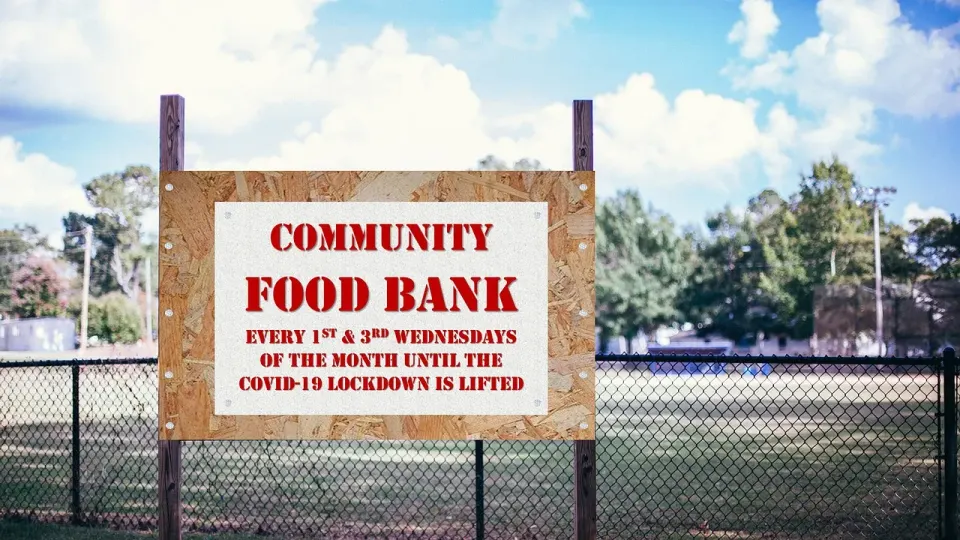
Local food banks can bridge a gap if benefits stop. They also tend to know how your state agency handles notices. Call 211 or a nearby pantry before you run short, not after.
Steps to Take Before Your Three Months Run Out
Treat this as a short checklist. Do the steps in order, and keep dated copies of each one.
- Read every notice from your SNAP office and note the dates.
- Ask your caseworker whether you are classed as time-limited.
- If you work, send proof of your hours each month.
- If you cannot work, request an exception and file a clinician's note.
- If you are between jobs, ask about SNAP Employment and Training slots.
- Line up a food pantry as a backup.
Housing is the next pressure point for many people in this age group. Renters who also receive federal housing help face their own proposals. Our piece on HUD work requirements and time limits for renters aged 50 to 61 covers that side of the picture.
A final practical point concerns income. Extra hours can lift your earnings above SNAP limits in some states. Before you take a second part-time job, ask your caseworker how the new income changes your benefit. Simply Forties editors checked the USDA proposed rule and its Federal Register notice for this article as of November 20, 2026. Rules change, so confirm anything specific to you with your state SNAP office or a free advice service.
The Bottom Line on SNAP Work Requirements After 55
The time limit now reaches adults up to 64, and the clock is three months in 36 for anyone who does not meet it. Work out which group you belong to, gather proof early and use the exceptions if they fit. The proposed rule is still open for comment, so details may shift. Your next step is a call to your state SNAP office to confirm your status in writing.
Do SNAP work requirements apply to people aged 55 to 64?
How many hours a week do I need to work to keep SNAP?
What exceptions to the SNAP time limit exist for older adults?
When can I comment on the USDA proposed rule on SNAP work requirements?
Some links may be sponsored. Our editors choose what we cover, and nothing here is financial, legal or benefits advice. Our editorial policy.
In this story 7 sections
Keep reading

- 01 / Benefits · Explainer HSA and FSA Limits 2027: What Changes for Workers in Their 40s and 50s 7 min read
- 01 / Benefits · Explainer Employer Health Costs in 2027: How to Choose Your Open Enrollment Plan in Your 40s and 50s 7 min read
- 01 / Benefits · Explainer Medicare Advantage Plan Ending in 2027: What to Do Before December 7 7 min read