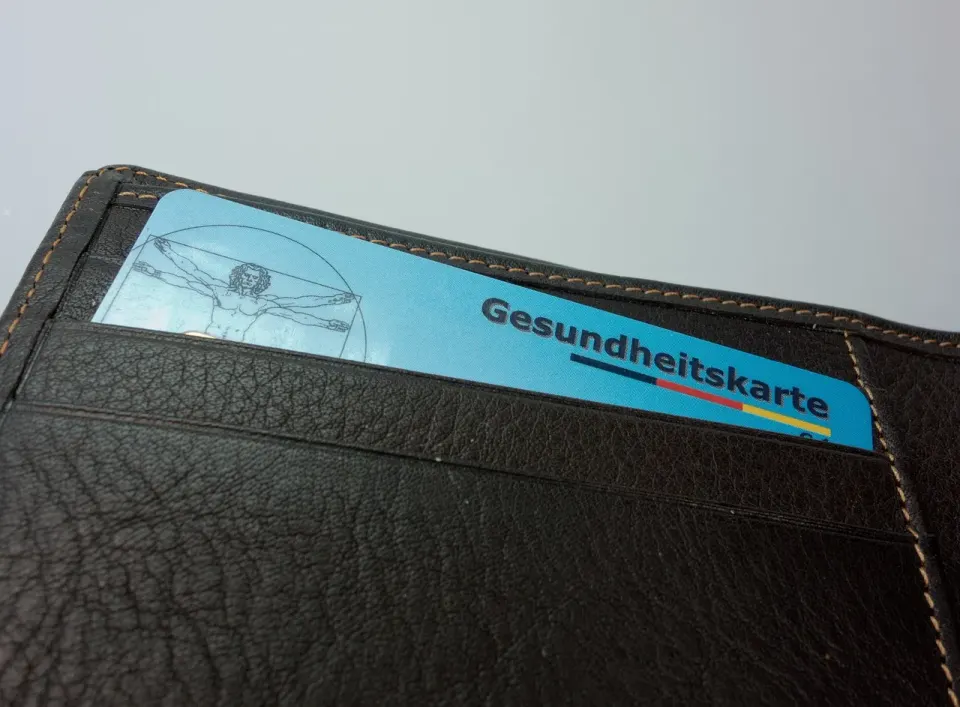
How to Use a Health Spending Account in Canada in Your 40s and 50s
Many Canadian workers leave part of their health spending account unused every year. Here is what it covers in midlife and how to claim all of it.
 01 / Benefits · How-to
 In this story 8 sections
A health spending account in Canada is a yearly allowance from your employer that reimburses medical costs tax-free. It usually covers dental work, glasses, physiotherapy and prescriptions that your regular plan does not fully pay. In your 40s and 50s, those costs tend to rise. Claiming the full balance each year is the simplest way to use the money.
I have sat with a lot of people going through benefit packages at the kitchen table. The health spending account is the line most of them skipped. This guide is for Canadian workers in midlife who have one, or are being offered one, and want to know what it covers, how claims work and how to avoid losing the money at year end.
What a Health Spending Account Covers
A health spending account is set up as a private health services plan under Canadian tax law. The Income Tax Act definitions in section 248 describe these plans as contracts covering hospital or medical expenses. That status is what makes your reimbursements tax-free.
In practice, the Canada Revenue Agency (CRA) ties eligible expenses to its list for the medical expense tax credit. If you could claim something on your tax return as a medical expense, your account can usually reimburse it. The account then pays only the part that other coverage did not.
The list below shows the claims I see most often from people in their forties and fifties.
- Dental work, including crowns, root canals and the coinsurance your dental plan leaves behind.
- Prescription glasses and contact lenses above your vision plan limit.
- Physiotherapy, chiropractic and registered massage therapy after your per-visit cap runs out.
- Hearing tests and hearing aids.
- Prescription drugs, including the dispensing fees and deductibles.
Why It Matters More in Midlife
Coverage gets patchier as people move through their careers. Statistics Canada reported that 75.1% of employees aged 25 to 54 had workplace medical or dental benefits in 2024. For employees 55 and older, it dropped to 67.4%.

The same Statistics Canada data shows a big gap by work type. Only 20.7% of part-time employees had workplace medical or dental benefits, compared with 76.1% of full-time staff. Many people in their fifties move to part-time or contract work. When that happens, the health spending account can disappear with the job.
Meanwhile, the bills get bigger. Reading glasses arrive, old fillings need crowns, and a sore shoulder becomes a physio habit. A $1,000 yearly allowance that felt like a perk at 32 can be doing real work by 52.
How to Claim the Full Amount
The best way to use a health spending account is to claim it in a set order. Send each expense to your regular plan first, then claim the leftover from your spending account. The steps below cover the process most plans follow.
- Find your annual allowance and plan year end in your benefits portal.
- Submit each expense to your group health or dental plan first.
- Keep the explanation of benefits showing what that plan paid.
- Claim the remaining balance from your health spending account.
- Upload itemized receipts, not just a credit card slip.
- Check your remaining balance two months before year end.
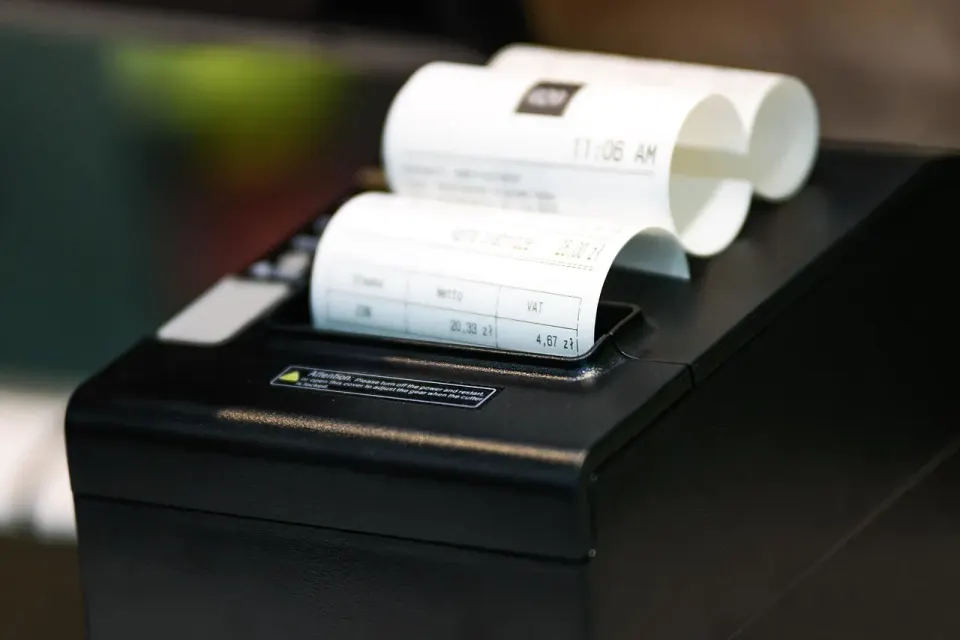
Receipts matter more than people think. Most providers will not accept a bank statement or a canceled check as proof. They want an itemized receipt showing the provider, the date, the service and who received it. Take a photo of each receipt the day you get it.
One reader told me she lost $640 of a $1,500 allowance because her dental receipts were in a drawer at the cottage when the deadline passed. That is the most common story I hear. The money was there, the expenses were real and the paperwork missed the window.
A Worked Example: Spending a $1,500 Allowance
A worked example shows how fast a health spending account gets used in midlife. Take a 51-year-old office manager in Ontario with a $1,500 annual allowance. Her group plan pays 80% of basic dental, $200 every two years for glasses and up to $500 a year for physiotherapy.
The table below follows her claims through one plan year. Each row shows the bill, what the group plan paid first and what the health spending account picked up.
| Expense | Bill | Group plan paid | Spending account paid |
|---|---|---|---|
| Two dental cleanings and a filling | $620 | $496 | $124 |
| Progressive lenses and frames | $740 | $200 | $540 |
| Ten physiotherapy visits | $950 | $500 | $450 |
| Prescription deductibles | $180 | $0 | $180 |
| Total | $2,490 | $1,196 | $1,294 |
She ends the year with $206 left. That is enough for a hearing test, a pair of prescription sunglasses or a crown deposit if she books before the deadline. Without the account, she would have paid $1,294 of those bills out of her own pocket.
The progressive lenses are the line that surprises people. Vision plan limits have barely moved in years, while the price of multifocal lenses has not stood still. In our experience, glasses are the single most common reason a midlife worker runs out of regular vision coverage.
Notice the order, too. Every claim went to the group plan first. If she had sent the physio bills straight to the spending account, she would have used up $950 of her allowance instead of $450 and left $500 of regular coverage unclaimed.
Is a Wellness Spending Account the Same Thing?
No. A wellness or lifestyle spending account is a separate benefit with broader, employer-chosen categories, such as gym memberships, fitness classes, home office gear or courses. It is flexible, but it is not tax-free. Whatever it pays you is added to your income as a taxable benefit.
Some employers offer both, and the difference changes how you should spend them. Put medical costs through the health account, where they are tax-free. Use the wellness account for the things the health account cannot cover. Platforms such as GoKlaimSponsored let Canadian employers set custom categories for both health and wellness spending accounts, which is why two companies’ plans can look very different.
That flexibility can help midlife career changers too. Some employers include professional development as a wellness category. If yours does, it can pay for part of a course you are taking toward a new field, alongside the other options in our guide to paying for retraining at 45.
Carry-Forward Rules and Year-End Deadlines
Health spending accounts are use-it-or-lose-it, with one safety valve. CRA rules allow a plan to carry forward either unused credits or unclaimed expenses for up to 12 months. Plans usually pick one of those options, not both, so read which one yours uses.

Under a credit carry-forward, unused money rolls into next year, and you have to spend it first or lose it. Under an expense carry-forward, you can submit last year’s receipts against next year’s allowance. Either way, money not used within the window is forfeited. It does not come back as cash.
Put two dates in your calendar: the end of your plan year and the claim deadline, which is often 60 to 90 days later. If you are leaving a job, check whether claims must be in before your last day. Many plans stop accepting claims shortly after your employment ends.
Covering a Spouse Who Has No Plan
Most plans let you claim expenses for your spouse or common-law partner and dependent children. That is valuable in midlife households where one partner is self-employed, part-time or between jobs. Over one in three Canadians reported having no dental insurance at all, according to Statistics Canada’s 2022 dental survey results.
If both of you have plans, coordinate them. Claim each person’s costs on their own plan first, then on the partner’s plan, and use the health spending account last. That order squeezes the most out of every dollar of coverage you already pay for.
Readers in the United States should note that a Canadian health spending account works very differently from an American HSA. The US version is a savings account you own. It is covered in our explainer on the 2027 HSA limits.
Your Year-End Checklist
A health spending account is one of the easiest benefits to waste, and one of the easiest to use fully. Find your balance, book any dental, eye or physio appointments you have been putting off and submit claims with itemized receipts. Do it at least two months before your plan year ends, so the money pays for care instead of expiring.
If you are changing jobs or cutting your hours in the next year, move that checklist up. Ask HR in writing how long you have to submit claims after your last day, and whether your coverage ends on your last day or at the end of that month. Book appointments before the coverage stops, not after.
Fact-checked as of October 14, 2026. Plan rules vary by employer, so check your own benefits booklet or ask your plan administrator before relying on any item here.
Is money from a health spending account taxable in Canada?
What can I claim from a health spending account at 50?
What happens to unused health spending account money at year end?
Can I use my health spending account for my spouse’s expenses?
Some links may be sponsored. Our editors choose what we cover, and nothing here is financial, legal or benefits advice. Our editorial policy.