Old 401(k)s From Past Jobs: Find, Roll Over or Leave Them in Midlife
Most mid-career workers have at least one forgotten account. Here is how to find it and choose what to do with it.
 03 / Retirement money · How-to
In this story 8 sections
An old 401(k) from a past job can stay where it is, move into your current employer's plan, or roll into an IRA. Cashing out is usually the costly choice. In midlife, the right move depends on fees, investment options, and whether you might leave work at 55 or later.
Most people in their forties and fifties have at least one retirement account they haven't looked at in years. It sits with a former employer, under an old address, with a password nobody remembers. The account is still yours. The trouble is that forgotten accounts drift, charge fees, and get harder to find every time a company merges or changes recordkeepers.
This guide is for mid-career workers who have changed jobs a few times and want to tidy up. Simply Forties covers retirement money for the last two working decades, and old accounts are one of the easiest wins in that stretch. We cover how to find an old 401(k), the four options for each one, and the timing rules that trip people up.
Why Midlife Workers Collect Old 401(k)s
Job changes add up faster than people expect. The Bureau of Labor Statistics (BLS) tracks one group of Americans born from 1957 to 1964 across their working lives. By age 58, they had held an average of 12.9 jobs.
The job-hopping doesn't stop at 40, either. The BLS report on the number of jobs Americans hold found the same group averaged 2.2 jobs between ages 45 and 54. Each employer with a 401(k) can leave an account behind.
Many of those accounts are small and easy to forget. Some workers left before they were fully vested and assume nothing is there. Others moved, and the plan's mail stopped reaching them.
The result is a scattered set of balances with different fees and funds. Nobody looks at the whole picture, so the overall mix of investments ends up accidental rather than chosen.
How Do You Find an Old 401(k)?
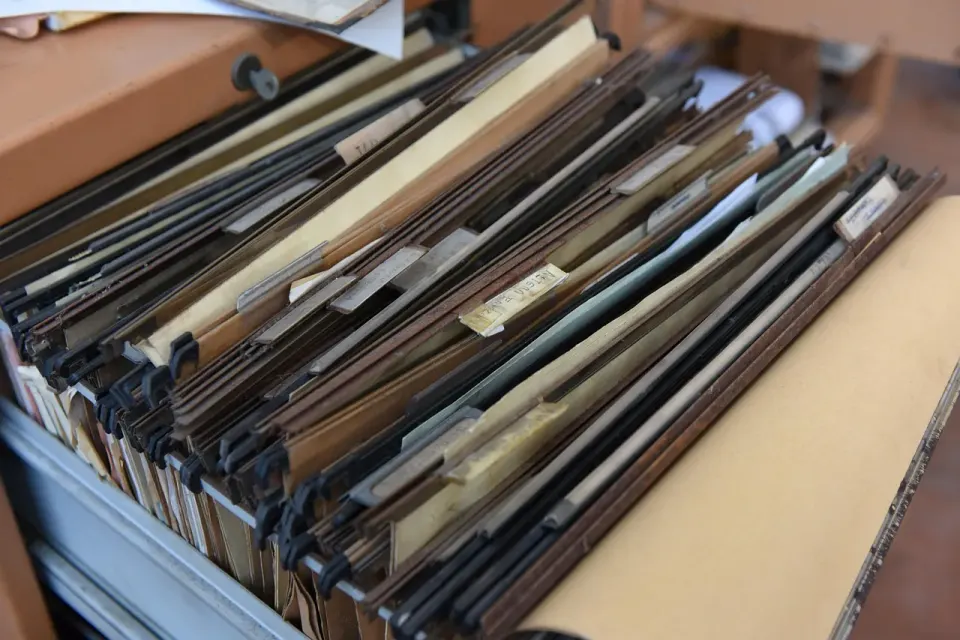
Start with your own paperwork, then contact the former employer, then use federal search tools. Old statements, W-2 forms and benefits emails usually name the plan and the recordkeeper. If the employer still exists, its HR or benefits team can tell you who holds the plan today.
When that trail goes cold, there are public tools. The U.S. Department of Labor runs a Retirement Savings Lost and Found database, created under the SECURE 2.0 Act of 2022. You verify your identity and search by your details. It is still incomplete, so a missing result does not mean there is no account.
Traditional pensions have their own search. The Pension Benefit Guaranty Corporation (PBGC) keeps benefits for people a private employer lost track of when its plan ended. Its PBGC search for unclaimed pensions needs only your last name and the last four digits of your Social Security number.
Keep a simple list as you go. For each account, note the employer, plan name, recordkeeper, phone number and approximate balance. That one page is what makes the next decision possible.

Your Four Options for an Old 401(k)
Every old 401(k) comes down to four choices. The best one depends on the plan's fees, its funds, your current plan, and your age. There is no single right answer for everyone.
The table below compares the options.
| Option | Main advantage | Main drawback |
|---|---|---|
| Leave it in the old plan | No action needed, and it keeps age-55 access | Easy to lose track of, and fees may be higher |
| Roll into your current 401(k) | One account, often low-cost funds | Limited to that plan's fund menu |
| Roll into an IRA | Widest choice of investments | Loses the age-55 early access rule |
| Cash out | Money in hand now | Income tax plus a likely 10% extra tax |
At Simply Forties, we see the "leave it" option chosen far more often by default than by decision. That is fine when the old plan is cheap and well run. It is not fine when you can't remember which company holds it.
Rolling into your current plan has a quiet advantage. Your contributions and your old savings then sit together, so it is easier to see whether you are on track. Our guide to setting your 2027 401(k) contribution in your 40s is a good next read once everything is in one place.
What to Check Before Moving an Old 401(k)
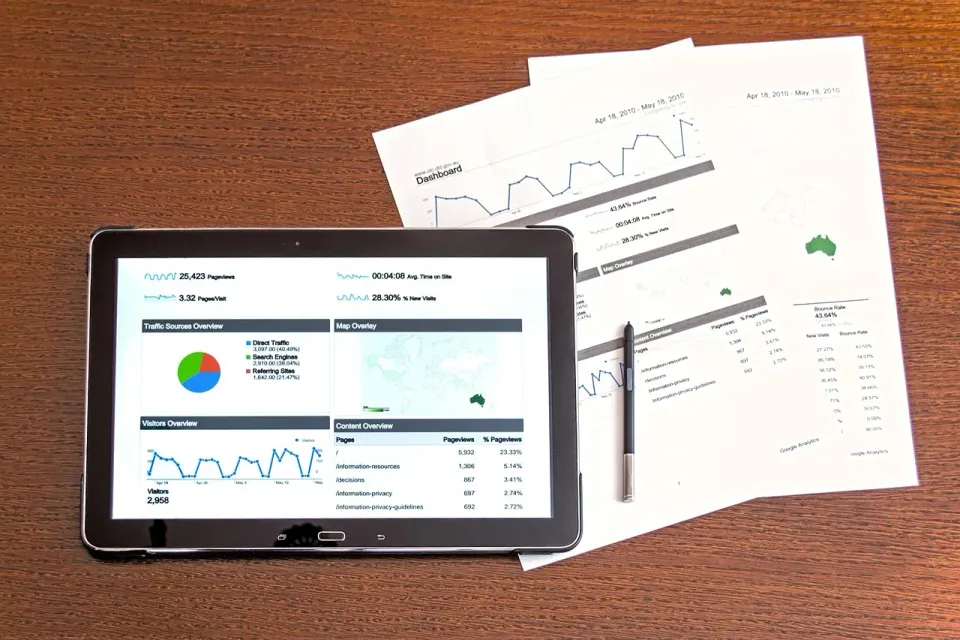
A few details on the old account can change the decision. Pull the most recent statement and the plan's fee disclosure before you call anyone. Both are usually available online once you regain access.
These are the items worth checking on each account:
- The expense ratio of each fund, compared with your current plan's funds
- Any flat annual account fee charged to former employees
- Whether you are fully vested in the employer match
- Any unpaid 401(k) loan from that job
- Whether part of the balance is Roth money
Fees deserve the most attention. A difference of half a percentage point a year sounds small. On a $60,000 balance, that is $300 a year, every year, before any growth on the money you lose.
Unpaid loans are the other trap. When you leave a job, an outstanding 401(k) loan may be treated as a distribution and taxed if it is not repaid or rolled over in time. Ask the plan exactly what happens to the loan and by what date.
How to Roll Over an Old 401(k) Without Tax Trouble
Ask for a direct rollover. In a direct rollover, the old plan sends the money straight to the new plan or IRA. Nothing is withheld, and nothing is taxed.
An indirect rollover is where problems start. The IRS rules on rollovers of retirement plan distributions require 20% withholding when a plan pays the money to you. You then have 60 days to deposit the full amount, including the withheld 20%, from other cash.
Here is an example. A $40,000 check arrives as $32,000 after withholding. To roll over the full $40,000, you must add $8,000 of your own money within 60 days. Any shortfall is taxed and may face the extra 10% tax.
Two more rules are worth knowing:
- Roth 401(k) money should go to a Roth account, not a traditional one.
- IRA-to-IRA rollovers are limited to one per 12 months, but direct transfers are not.
High earners making catch-up contributions should also check how the new plan handles Roth money. Our explainer on the Roth catch-up rule at 50 for high earners covers that change.
The Age-55 Rule Changes the Math
Timing matters most for people in their fifties. A special IRS exception lets you take money from a 401(k) without the 10% early withdrawal tax if you leave your job during or after the year you turn 55. Public safety workers in government plans can qualify at 50.
That rule only applies to the plan of the employer you just left. The IRS chart of exceptions to the tax on early distributions shows the separation-from-service exception does not apply to IRAs.
This is a classic timing mistake. Someone leaves a job at 56, rolls everything into an IRA, and then needs cash at 57. The IRA withdrawal triggers the 10% tax that leaving the money in the 401(k) would have avoided.
If you think you may stop working or go part-time before 59½, keep that in mind before rolling a 401(k) into an IRA. Leaving some money in the plan can keep the door open.
Small Old Balances Can Move Without You
Plans don't have to hold small balances forever. Under the SECURE 2.0 Act, a plan can move balances of up to $7,000 out of the plan after you leave. Very small amounts may be paid to you, and larger ones may be moved into an IRA in your name.
Those automatic IRAs are often invested in cash-like funds with low returns. They also come with a new provider name you may not recognize. That is one more reason to update your address with every former employer's plan.
Career changers are especially likely to leave a trail of small balances. If you are planning a switch, our guide on paying for retraining at 45 without draining savings explains why cashing out an old 401(k) to fund training is usually expensive.
A Simple Plan for Your Old 401(k)s
The practical answer is to find every account, then decide each one on purpose. Follow these steps over the next month:
- List every past employer since your twenties that offered a plan.
- Find each account using old statements, HR contacts and federal search tools.
- Compare each plan's fees and funds with your current plan.
- Decide whether to leave, consolidate, or roll each account into an IRA.
- Use direct rollovers only, and keep the age-55 rule in mind.
This is general information, not personal advice. Rules differ by plan, and a plan administrator or a qualified financial professional can confirm what applies to your accounts.
How do I find an old 401(k) from a previous employer?
Should I roll my old 401(k) into an IRA or my new employer's plan?
What happens if I cash out an old 401(k)?
What is the age 55 rule for 401(k) withdrawals?
Some links may be sponsored. Our editors choose what we cover, and nothing here is financial, legal or benefits advice. Our editorial policy.
In this story 8 sections
Keep reading

- 03 / Retirement money · Explainer 401(k) Alternative Assets Proposal: Private Equity and Crypto in Your Plan 7 min read
- 03 / Retirement money · Explainer Social Security COLA 2027: What the 3.6% Raise Means in Your 40s and 50s 7 min read
- 03 / Retirement money · Explainer Saver's Match 2027: What the New $1,000 Retirement Match Means in Your 40s and 50s 7 min read